Hi everyone – I've been a member of this community for a while now, and I've noticed something really interesting. We have a lot of threads where someone posts a palm photo and asks for gift recommendations, and we give them ideas. And that's great – that's exactly what this board is for.
But I've also noticed that we don't have a lot of methodology conversations. We don't often talk about how we go from "I see this line" to "you should buy this gift." And I think that's a missed opportunity, because the process of matching a palm reading to a gift is a skill – and like any skill, it can be taught, refined, and shared.
So I want to start a thread where we lay out our frameworks. I'll go first with mine – I call it the "3 Traits, 3 Directions" framework. It's simple, it's repeatable, and it works for almost any palm reading.
Then I'd love to hear yours. How do you move from lines to gifts? What do you look at first? What's your signature move? Let's build a collective toolbox that everyone in this community can use.
My Framework: 3 Traits, 3 Directions
Here's the basic idea: when I look at a palm for the purpose of gift matching, I don't try to read everything at once. That's overwhelming and leads to generic advice. Instead, I pick three key palm traits – usually one from the heart line, one from the head line, and one from the lifeline (or fate line, if it's prominent). Then I translate each trait into a gift direction – a category or type of gift that naturally fits that trait.
The magic is in the combination. The three directions together create a gift that's layered, personal, and unmistakably matched to the person.
Step 1: Pick your three traits
I start by asking: what are the three most prominent, most defining features of this person's hand?
For example, let's say I'm reading a palm and I see:
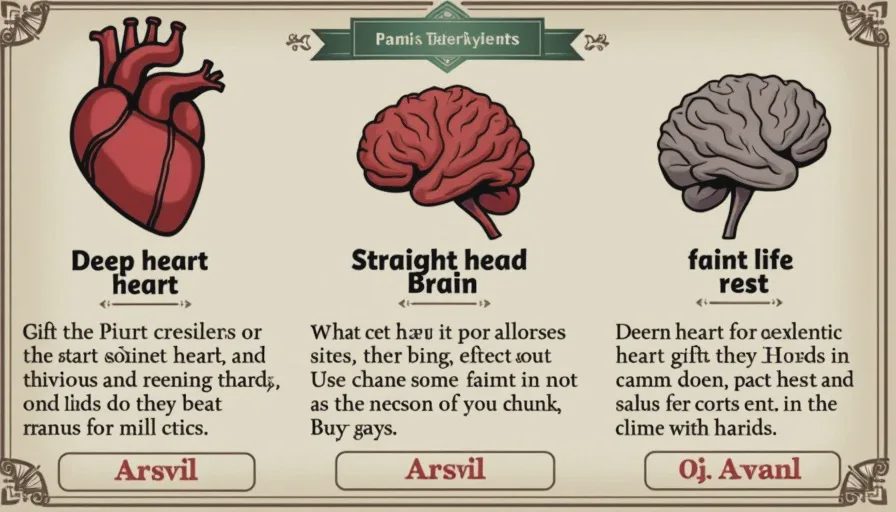
Heart line: deep, curved, and unbroken – this tells me the person loves deeply, is emotionally generous, and values connection.
Head line: long, straight, and separate from the lifeline – this tells me the person is independent, logical, and thinks things through carefully.
Lifeline: long, but faint toward the end – this tells me they have good energy but might be heading toward a phase of needing more rest or reflection.
That's three traits. Now I have a foundation.
Step 2: Translate each trait into a gift direction
Now I match each trait to a broad gift category. Here's my personal translation guide – it's not fixed, and it evolves, but this is my baseline:
Palm Trait | Gift Direction |
|---|---|
Deep, curved heart line | Meaningful keepsake – something emotional, sentimental, and personal (letters, custom art, memory books). |
Short, straight heart line | Practical gesture – something useful and thoughtful (service, repair, a thoughtful upgrade to something they use daily). |
Forked heart line | Dual experience – two-in-one gifts (a book + a journal, a spa day + a hike, an art class + a nice dinner). |
Long, straight head line | Intellectual fuel – books, masterclasses, puzzles, strategy games, or anything that feeds the mind. |
Curved head line (downward) | Creative spark – art supplies, music, a workshop, a museum membership, or anything that inspires imagination. |
Head line joined to lifeline | Guided comfort – something that helps them feel safe and supported (a weighted blanket, a course on mindfulness, a cozy home upgrade). |
Long, deep lifeline | Adventure/energy boost – an experience, active gear, travel, a fitness class, or something that matches their vitality. |
Short or faint lifeline | Rest and nourishment – a spa retreat, a gourmet food basket, a hammock, or anything that says "slow down and take care of yourself." |
Strong, clear fate line | Career or legacy gift – something that supports their life direction (a professional portfolio, a mentoring session, a high-quality tool for their trade). |
Long, clear sun line | Recognition gift – something that celebrates their brightness and creativity (a custom art piece, a luxury item that makes them feel seen, a platform to showcase their work). |
Using my example palm (deep curved heart + long straight head + long faint lifeline), my three directions would be:
Meaningful keepsake (from the heart line)
Intellectual fuel (from the head line)
Rest and nourishment (from the faint lifeline)
Now I'm not just thinking "what's a nice gift?" – I'm thinking "what's a gift that combines emotional depth, intellectual engagement, and a gentle reminder to rest?" That's a much more interesting question.
Step 3: Synthesize into a single, layered gift
This is where the creativity comes in. I look at my three directions and ask: what's one gift idea that touches all three? Sometimes it's a single item, sometimes it's a gift set.
For my example, here's what I might come up with:
Single item: A beautifully bound, hardcover journal that combines guided prompts for reflection (emotional), space for note-taking on a topic they're learning (intellectual), and a soft cover or silk ribbon that feels luxurious and calming (nourishing). Plus a handwritten note that explains the thought behind each layer.
Gift set: A "Rest + Reflect + Recharge" box – a high-quality book on a topic they're curious about, a set of premium tea or coffee, and a guided journal with daily check-ins. All wrapped in a soft, cozy throw blanket.
That's three directions, one coherent gift. The person feels seen in all three dimensions – not just as "a creative" or "a logical person," but as a whole, complex human being.
Why this framework works
Here's why I love this approach:
It's systematic – It gives me a reliable starting point, even when I'm reading a palm I've never seen before.
It prevents generic advice – By insisting on three distinct directions, I'm forced to think in multiple dimensions, not just one.
It's personalized – Everyone's combination of traits is unique, so every gift recommendation is unique.
It's explainable – When I tell someone "here's why I recommended this gift," I can walk them through my reasoning, which builds trust and makes the gift feel even more meaningful.
It's adaptable – I can swap in different traits (fate line, sun line, mounts, finger length) and the framework still works.
My signature move: the "trait-to-transition" gift
One extra layer I sometimes add: I ask myself, "What does this person need more of in their life right now, based on these lines?" For example, if someone has a very strong head line and a faint heart line, their gift shouldn't just match who they are – it should gently invite them toward balance. I might recommend a gift that encourages emotional expression (a journaling course, a poetry collection, an art workshop) even if they're normally logical. It's a gift that expands them, not just reflects them.
Now it's your turn – what's your framework?
I've shared my version, and I'm genuinely curious to hear how other people approach this.
Here are some questions to get you started:
What palm traits do you prioritize when matching to a gift? Do you focus on the three main lines, or do you look at mounts, fingers, or minor lines first?
How many traits do you typically use to arrive at a recommendation? Do you keep it to 2-3, or do you layer in more nuance?
Do you have a specific translation system like my table above, or do you go more by intuition?
What's the most unconventional gift you've ever recommended based on a palm reading – and what was the reasoning behind it?
Do you ever recommend gifts that push against the palm's direction – like a restful gift for someone with high energy, or a creative gift for someone with a very logical palm? Why or why not?
How do you handle conflicting lines – for example, a deep heart line paired with a very faint head line? Do you prioritize one over the other, or do you look for a gift that bridges them?
Have you ever used this framework on yourself? What gift would your own palm recommend right now?