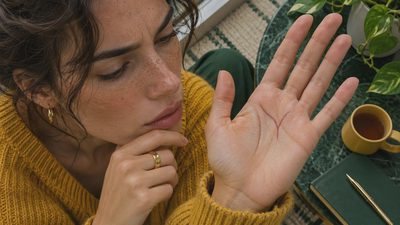
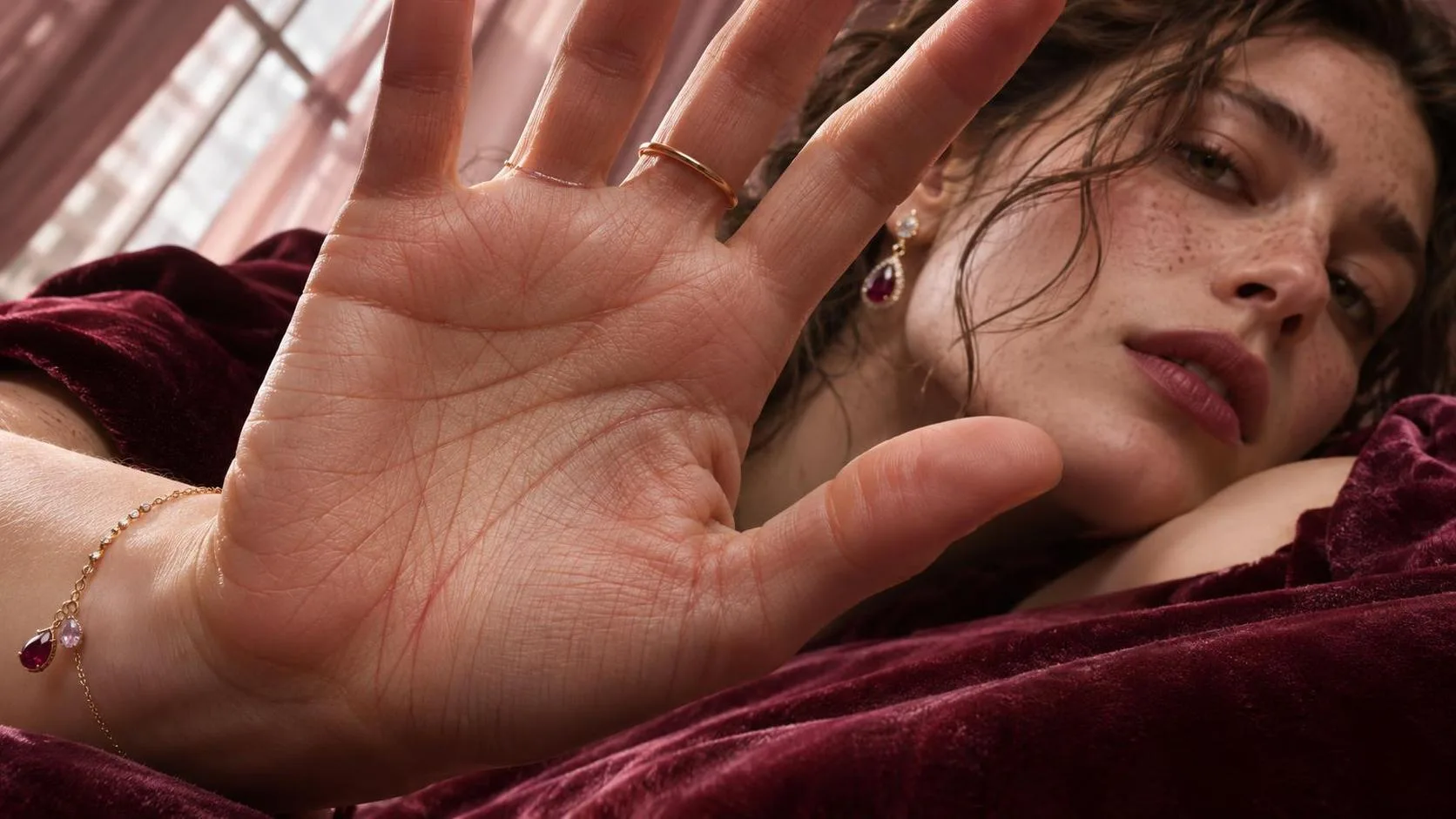
Open your hand and look for the crease curving around the base of your thumb. That is the life line, one of the easiest places to start with this palm reading lines guide. Traditionally, readers associate it with vitality and life experience, not with how long you will live. Palmistry is a reflective tradition, not a scientifically reliable way to predict health, personality, or the future. Think of the lines as prompts for a conversation: What do you notice, and what feels relevant to your life?
Start with the hand in front of you
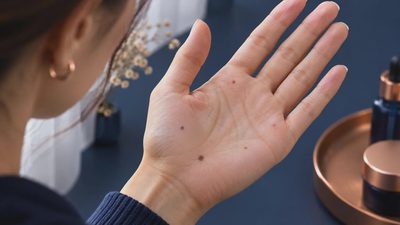
Rest your hand comfortably in good light, palm facing up. You do not need to stretch your fingers wide or trace every tiny crease. Begin with the most visible lines, noting where each starts, which direction it travels, and whether it appears continuous or interrupted.
Many palm readers begin with the dominant hand, the one you usually write with, and compare it with the other. One common tradition treats the dominant hand as a picture of present choices and the other as a reflection of inherited tendencies or earlier influences. Other traditions reverse or modify that approach. Neither interpretation is a proven rule, so choose one as a starting point rather than a test you can fail.
The four lines beginners often look for are the life, head, heart, and fate lines. Not everyone has a clearly visible version of each. Creases vary naturally, and lighting, skin texture, and the position of your hand can make a line easier or harder to see. If you cannot find one, that is not a warning sign.
Palm reading lines guide to the life line
Look between the thumb and index finger for a line that curves down around the fleshy base of the thumb toward the wrist. The arc may be wide or close to the thumb, deep or faint, long or short.
In traditional readings, a broad arc is sometimes associated with an expansive approach to experience, while a tighter curve may suggest a preference for conserving energy or staying close to familiar routines. A faint line might be read as subtlety, although it may simply be difficult to see. Which description, if either, fits how you spend your time?
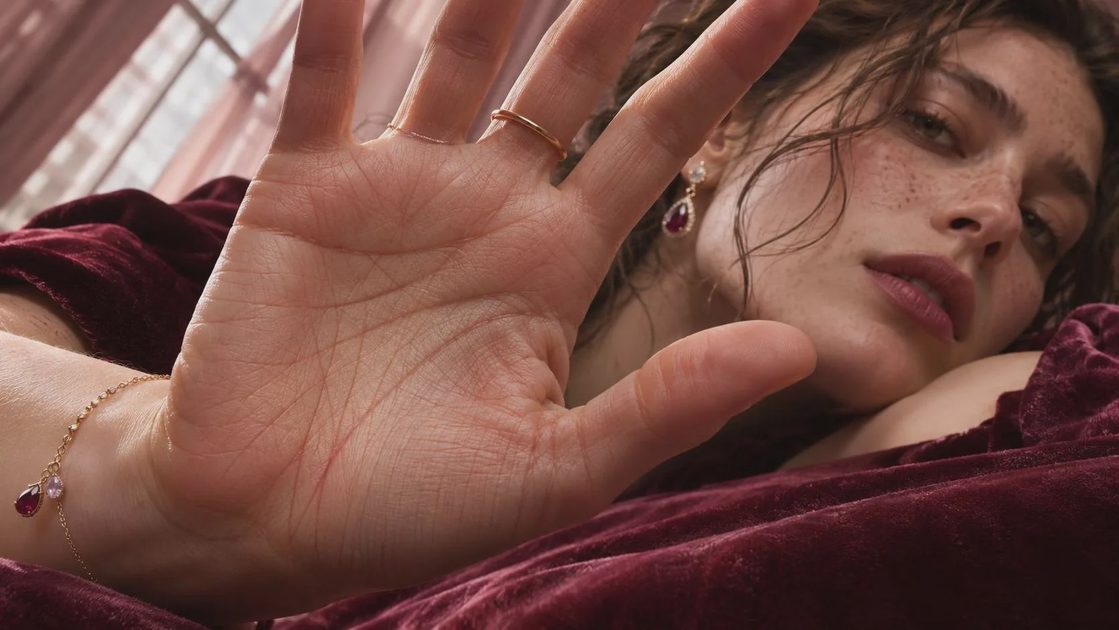
A short life line does not predict an early death. A break does not foretell an accident. Some readers treat an interruption as a symbolic transition, but you are free to see it as an ordinary crease. If a change in your skin concerns you medically, a clinician is the right person to ask; a palm reading cannot diagnose it.
Find the head line and heart line
The head line generally begins near the space between the thumb and index finger and travels across the middle of the palm. Some people have a visible gap between its starting point and the life line; in others, the two appear joined for a stretch.
Palmists often connect this line with thinking and decision-making. A straighter line is traditionally read as a practical or direct style, while a line that slopes downward may be associated with imagination. A joined beginning is sometimes interpreted as caution; a gap may be read as independence. Those are possibilities within the tradition, not personality measurements. When making a decision, do you prefer to gather details first, follow an idea, or do a little of both?
The heart line usually runs across the upper palm, beneath the fingers. Readers often associate it with emotional expression and relationships. A curved line might be interpreted as an open way of expressing feelings; a straighter one might suggest a more reserved style. Neither tells you whether someone is loving, compatible, or destined for a particular relationship.
Notice where the line appears to end and whether it branches, but resist treating a tiny fork as a secret answer about your love life. A more useful question might be: How do you like to show care, and how do you prefer to receive it?

Some palms have a single prominent crease across the area where readers might expect separate head and heart lines. Palmists interpret this feature in different ways. It is a normal anatomical variation and does not, by itself, tell you anything certain about a person's character or health.
Look for the fate line without forcing it
The fate line is often described as a vertical line traveling up the palm toward the middle finger. It may begin near the wrist, start higher in the palm, appear in sections, or be hard to distinguish from surrounding creases. Some people do not have an obvious one.
Traditionally, readers connect this line with work, direction, or the influence of circumstances outside your control. A clear line might prompt a conversation about a consistent path; a faint or interrupted one might invite reflection on changing interests. It does not guarantee a career, income, or calling. What gives your days a sense of direction right now, whether or not it appears on a business card?
Compare features, not just single marks
Once you have located the major creases, look at the whole palm. A branch can be a small line extending from a larger one; a break is a visible interruption. Traditional readers may interpret either as a shift in emphasis, but there is no universal agreement about precisely what a particular mark means.
Compare both hands under similar light and keep your observations separate from your interpretations. For example: “This line curves downward” is an observation. “You are imaginative” is an interpretation. Asking the person whether that idea resonates makes room for disagreement and keeps the reading friendly.
If you share a palm photo with a community, crop out identifying details and ask permission before posting someone else's hand. A clear, relaxed image is more useful than a heavily filtered one, and no one needs to share a personal story they would rather keep private.
Turn a reading into a thoughtful gift
Let the conversation lead, not the crease. If someone describes a love of quiet evenings, a favorite tea or a handwritten reading list can feel personal without costing much. For a person who enjoys making things, consider a small sketchbook or supplies suited to a craft they already practice. Add a note explaining the connection: “You mentioned that drawing helps you unwind, so I thought of you.”
A symbolic palm illustration or a handmade charm can be lovely for someone who enjoys palmistry, but check their taste and your budget first. The best gift story comes from something the recipient actually shared. What did your reading reveal about how they like to spend their time?