A triangle on the palm is a small, three-sided shape formed where creases meet. In palmistry, readers often associate it with focused ability, resourcefulness, or an opportunity to use a particular skill. The interpretation depends on where it appears and which lines form it. Palm reading is a reflective tradition, not a scientifically validated way to predict personality or the future. So start with what you can actually see: is the shape closed, and where does it sit?
First, find the three sides
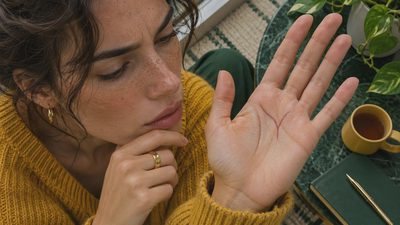
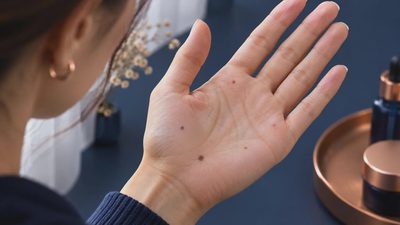
Relax your hand in natural light and look for three distinct creases that join to make an enclosed shape. It might be tiny or spread across a larger area. A triangle can be formed by major lines, smaller lines, or a combination of both. You do not need to press the skin flat or trace every faint mark to make one appear.
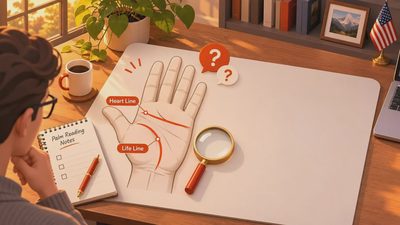
The major lines can help you get oriented. The heart line generally runs across the upper palm beneath the fingers. The head line crosses the middle of the palm, while the life line curves around the base of the thumb. Some hands also have a fate line running roughly upward through the center of the palm. These lines vary considerably, and not everyone has a clearly visible version of each one.
If one side of your shape fades or stops short, describe it as an open triangle or an angle rather than forcing a neat label. Readers differ on whether a small gap matters. A clear description is more useful than pretending everyone follows the same rule.
What location adds to the reading
In many palmistry traditions, the area around a triangle offers the context for its meaning. Think of these associations as prompts for conversation, not facts about the person whose hand you are holding.
A triangle near the head line is often linked with concentration, planning, or a knack for working through complex ideas. Someone might read it as a sign of careful analysis; another reader might emphasize creative problem-solving instead. Which description feels closer to how you approach a challenge?
Near the heart line, the same shape may be read in relation to emotional awareness or communication in relationships. It does not prove someone is guarded, loving, or destined for a particular partnership. A gentler question is whether they tend to talk feelings through, sit with them privately, or do a bit of both.
A shape close to the life line is sometimes interpreted as resourcefulness in everyday life or an ability to draw on support. The life line itself is traditionally associated with vitality and life experience, but its length or shape cannot tell you when someone will die. There is no reason to treat a triangle there as a health warning, either.
Near the fate line, some readers connect a triangle with practical skills, work choices, or an area where effort feels especially focused. Not every hand has an obvious fate line, and a reading about work should never substitute for real information about someone’s interests, opportunities, or finances.
Triangles on the mounts
Palmists call the fleshy areas of the palm mounts. Their names provide another set of traditional associations, though different schools can interpret the same mark differently.
A triangle on the mount beneath the index finger, traditionally called Jupiter, may be associated with leadership or learning. Beneath the middle finger, on Saturn, a reader might connect it with patience or thoughtful study. Beneath the ring finger, on Apollo, the usual conversation turns toward expression or creativity. Beneath the little finger, on Mercury, it may turn toward communication or practical ingenuity.
The padded area at the base of the thumb is called Venus and is often discussed in relation to affection and connection. The outer lower palm, opposite the thumb, is associated with the Moon and often brings imagination or intuition into the conversation.
These are broad themes, not a checklist. A triangle between two areas may reasonably invite both interpretations, or neither may feel useful. Notice where the shape is most visible, then ask the person which theme, if any, resonates.
Comparing both hands and unclear shapes
Some palmists read the non-dominant hand as a picture of inherited tendencies and the dominant hand as an expression of lived choices. Others use different approaches. You can compare hands for fun, but a mark on one hand and not the other does not establish that a trait has appeared or disappeared.
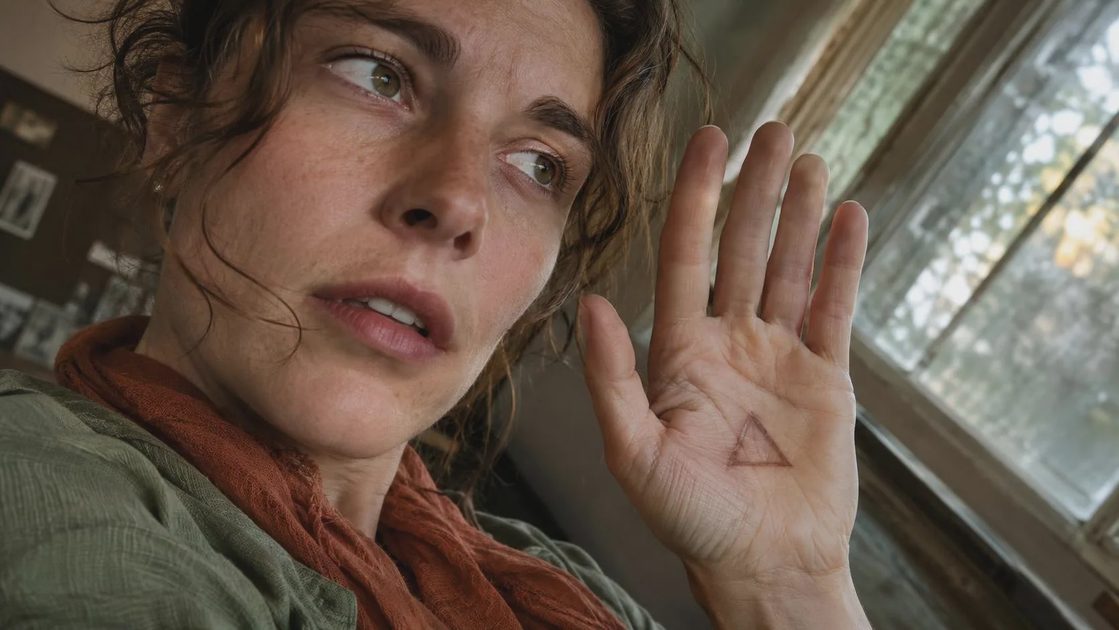
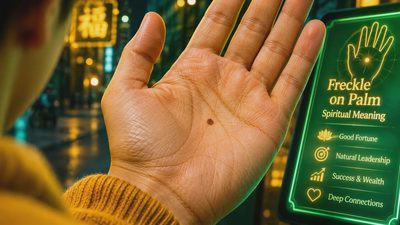
Creases also look different as your hand moves, and lighting can make faint lines seem deeper. Try looking with your fingers relaxed, then gently open your hand. If you are photographing it for a discussion, use even light, include the whole palm, and avoid filters that sharpen every crease. A second photo from a slightly different angle can help distinguish an actual line from a shadow.
You might find several overlapping angles rather than one tidy triangle. That is normal. Describe the location and the lines you think make up the shape; you do not have to decide that every intersection carries a separate message. Palm creases are ordinary physical features, and interpretations are subjective.
If a mark is new, painful, changing, or otherwise worrying you, skip the symbolic reading and ask a qualified health professional about it. Palmistry cannot diagnose a skin condition or any other medical issue.
Turn a reading into a thoughtful gift
A triangle on the palm can be a lovely starting point for a gift, as long as the recipient’s actual life leads the way. Ask what they enjoy, what your relationship is like, and what you can comfortably spend before choosing a symbol.
For someone who likes to write, a simple notebook with a handwritten note about an idea you hope they explore can make a head-line reading feel personal. If the conversation centered on connection, a printed photo and a letter about a shared afternoon may mean more than an expensive object. For a creative friend, consider supplies suited to a craft they already practice, with a small triangle drawn on the wrapping as a quiet reference to your conversation.
The story matters more than the mark: “This reminded me of how you make room for new ideas” is warmer than telling someone their hand proves who they are. And if the reading does not fit, let it go. What do you notice in the shape, and what part of the interpretation feels true to your real life?